Joseph Bridger
and
Hester Pitt
Born: 1631, Woodmancote, Gloucestershire UK
Died: 15 Apr 1586, Isle of Wight VA
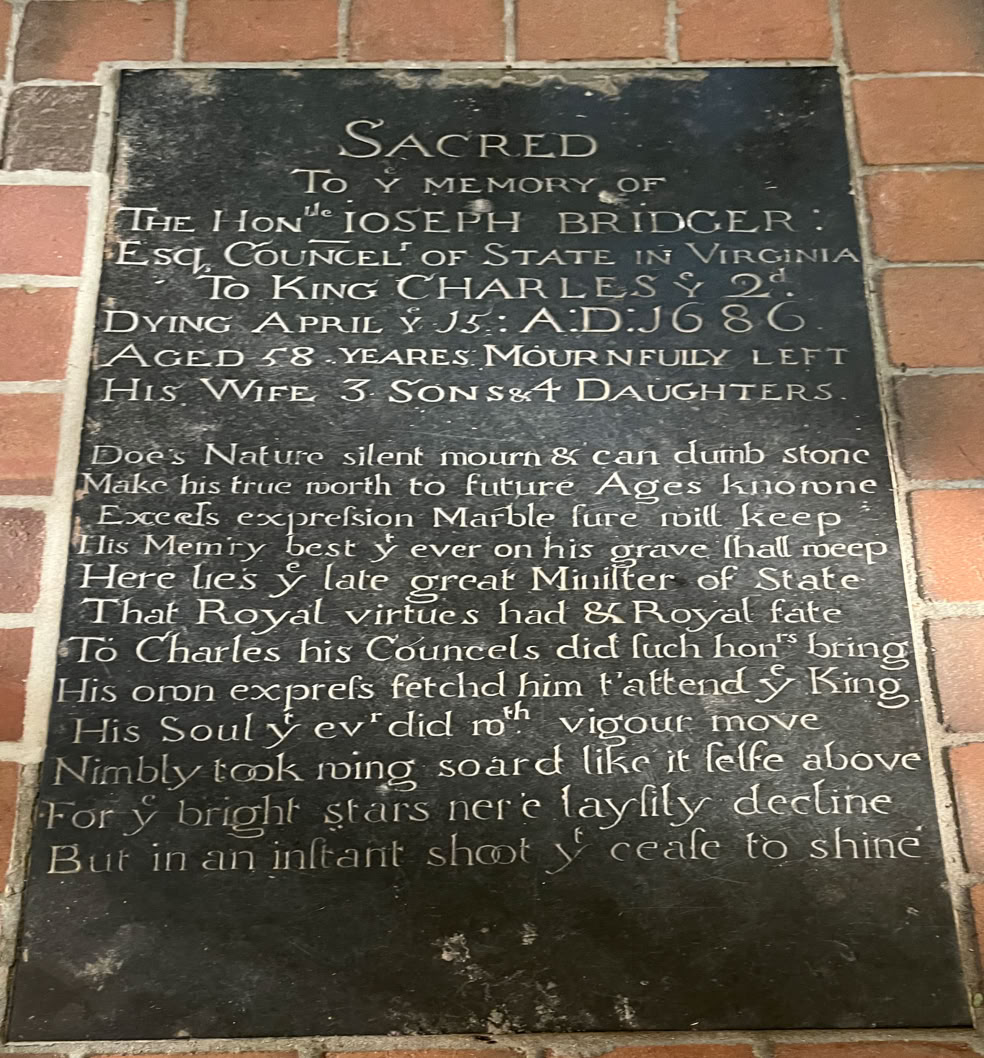
Buried: St. Luke’s Church, Isle of Wight VA
Born: Apr 1636, Bristol, Gloucestershire UK
Died: 18 Jan 1711, Isle of Wight VA
Buried:
Married: c. 1654, Isle of Wight VA
Children: Joseph, Martha (Godwin), Samuel, Elizabeth (Lear), Mary (Tibboth), William, Hester (Williamson)
General Joseph Bridger was born at the family home, Woodmancote Manor, north of Bristol, in 1631. Family tradition has it that he was a Captain in the Royalist army which was defeated at the Battle of Worcester in 16511, after which he either moved or was transported to Virginia. Within a few years he had married Hester Pitt, daughter of the wealthy Isle of Wight land owner Col. Robert Pitt and his wife Martha. Apparently Robert and Martha gave Joseph and Hester 550 acres of land which became the core of their plantation Whitemarsh. At Whitemarsh, Joseph and Hester built a house which was one the largest in Virginia at the time of its construction (11,000 sq. ft., 21+ rooms), probably second only to Green Spring, the mansion of Governor William Berkeley near Jamestown. Like Bacon’s Castle and a very few others, it was entirely of brick.
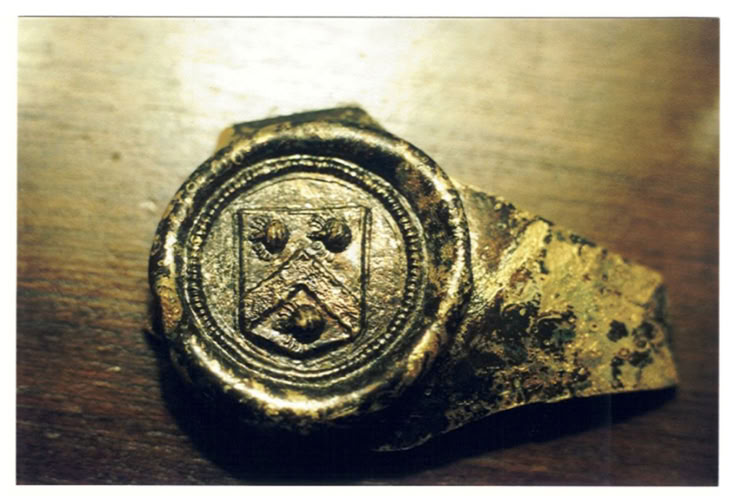
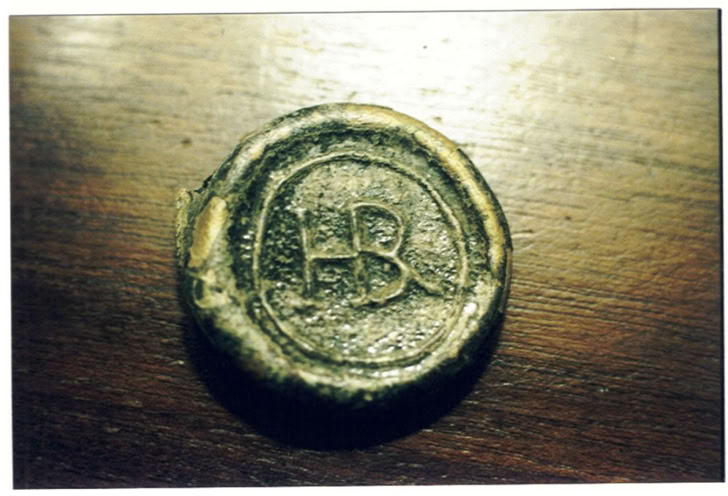
Whitemarsh fell into ruin in the 18th century, and was destroyed by fire in the 19th. Archaeological exploration of the ruins have uncovered many artifacts, including the caps of wine bottles bearing the Bridger coat of arms and Hester’s initials.
In the 1660’s, Joseph began acquiring large tracts of land in both Virginia and Maryland, finally holding over 11,000 acres, which made him the largest property owner in Virginia south of the James River. At his death he left a quite large estate; however it appears that this was only a portion of his total wealth. In the 1730’s, a hoard consisting of multiple bushels of gold and silver coins was discovered in what was by then the ruins of Whitemarsh. The dates of the coins (Elizabeth, James I, and Charles I) make it certain that this belonged to Joseph and not a later menber of the family. The value of the hoard can only be guessed at, since it was spirited away by the discoverer, but it must have been immense, enough to make Joseph one of the richest men in Virginia. (The origin of Joseph’s wealth is not clear. His father was prosperous but not wealthy; some part may have come from his in-laws.)
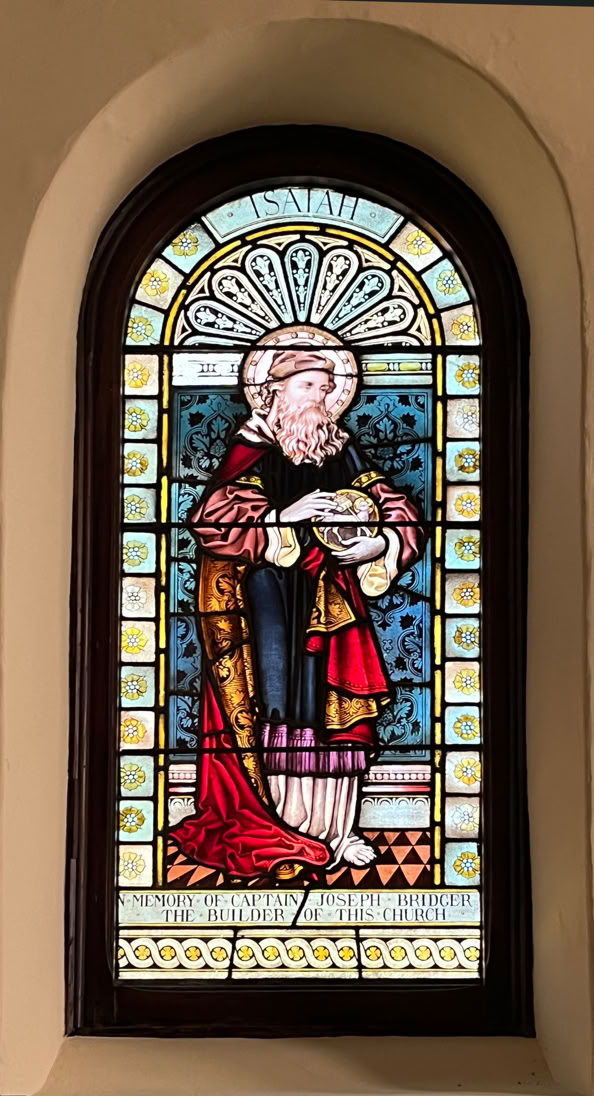
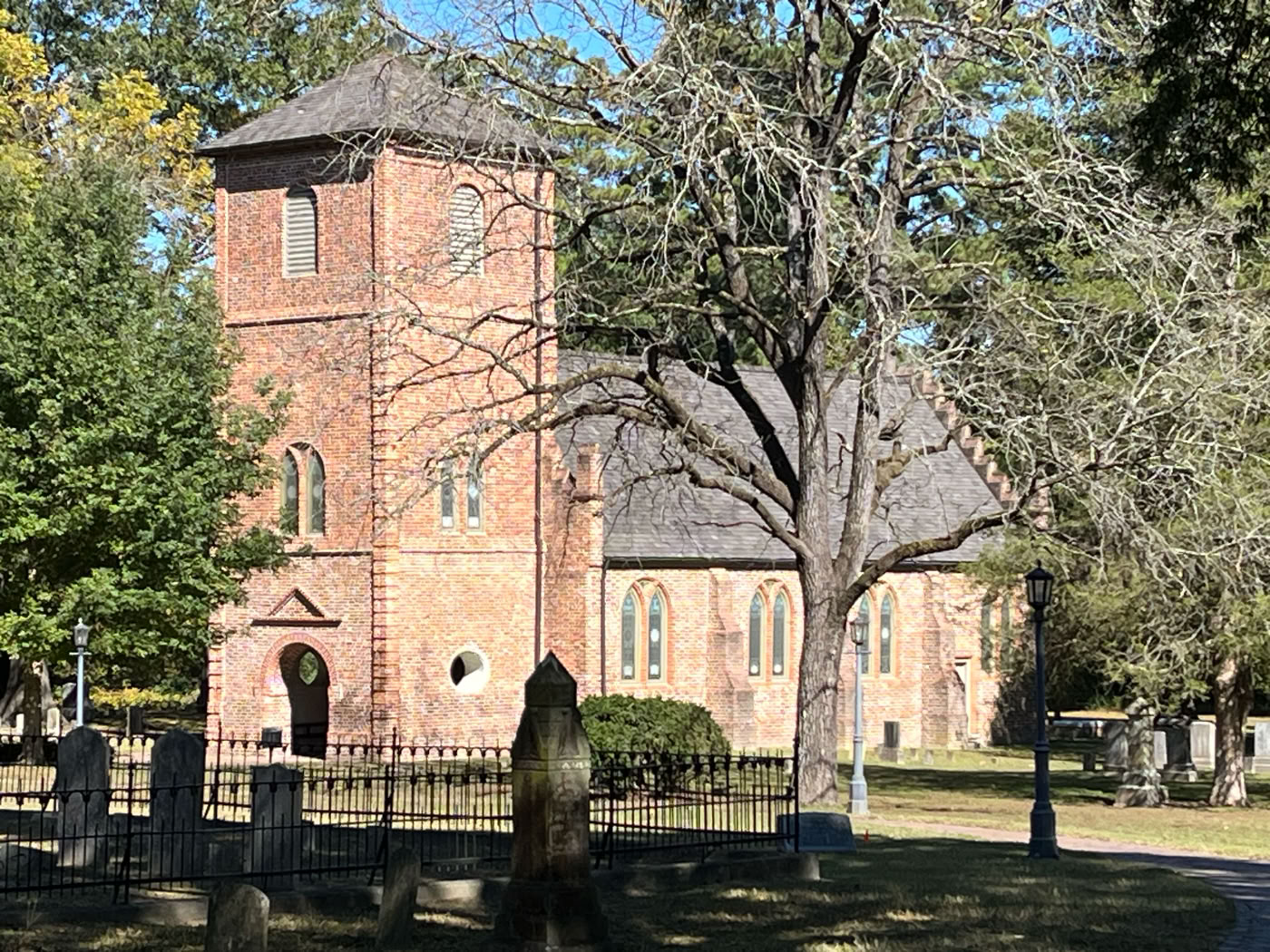
Joseph was a member of the Virginia House of Burgesses and the Virginia Council of State. He was acting Governor in 1684-5, Adjutant General of Virginia, and Deputy Vice Admiral of Virginia, and Commander of Nine Virginia Counties for Defense against Indians. In the 1680’s, he was apparently the principal funder for the construction of St. Luke’s Church, near Whitemarsh Plantation. St Luke’s is the oldest surviving church in Virginia2, and one of the oldest in British North America (there are older Spanish colonial churches in New Mexico).
Joseph is interred in the chancel of St Luke’s, his remains having been moved there from Whitemarsh in the 1800’s. A recent analysis of his bones suggest that he died of lead poisoning (a not uncommon fate at the time; Beethoven died of the same.)
Joseph and Hester’s daughter Hester married George Williamson, grandson of Arthur and Alice Allen of Bacon’s Castle.
______________________________
1 Joseph may very well have been at Worcester, but at the age of only 20 he probably was not a Captain.
2 The much older church at Jamestown survives only as ruins